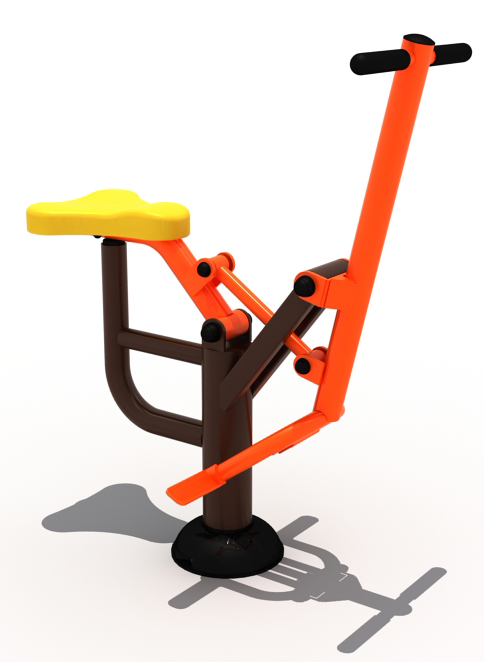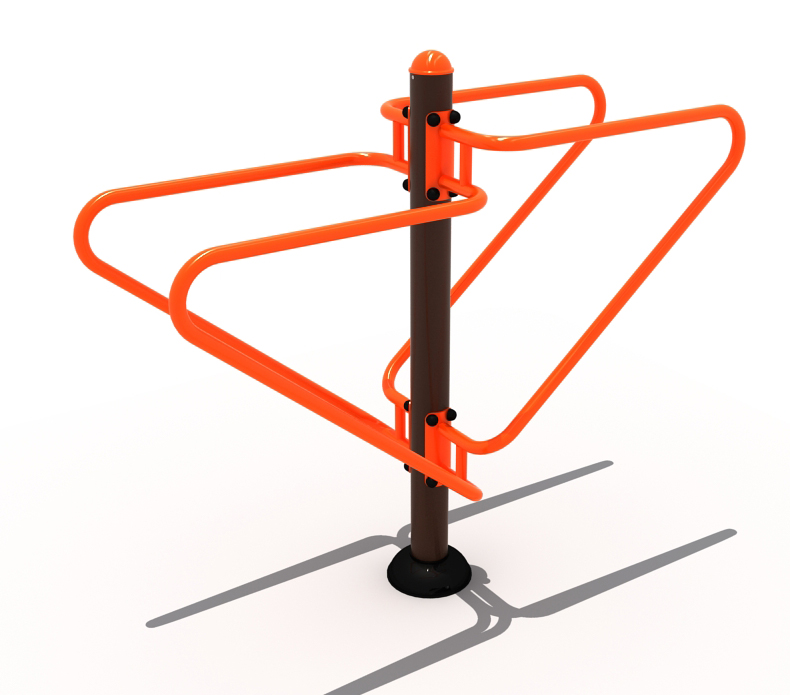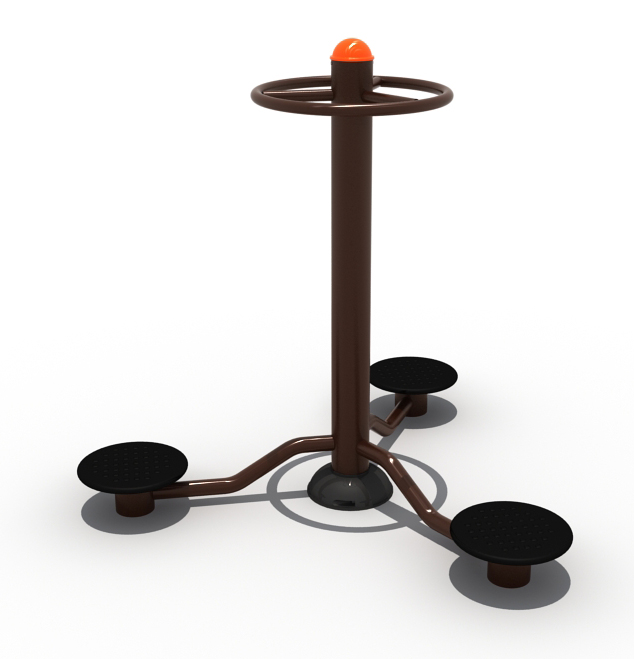
Park Gym Equipment | Open Air Fitness Stations
Park Gym Equipment That Turns Open Space into Everyday Fitness
A gym membership is still out of reach or simply inconvenient for a large share of India's population, yet the desire to stay active has never been stronger. This is exactly the gap that Park Gym Equipment fills. A well-designed open air fitness corner costs nothing to use, welcomes people of every age and background, and turns a patch of otherwise idle park space into something a community actually uses every single day, often from early morning until well into the evening.
Why Open Air Fitness Has Taken Off in India
The rise of free, community-based fitness spaces in India has been driven by a mix of practical and cultural factors. Government-backed health initiatives have encouraged municipal bodies to invest in public fitness infrastructure, while rising health awareness across age groups has created genuine demand for accessible, no-cost exercise options. Outdoor Gym Equipment for Parks answers this demand directly, requiring no membership fee, no fixed class schedule, and no barrier beyond simply walking up and using it. For many first-time users, an open air gym station is also simply less intimidating than an indoor gym environment, making it a genuine entry point into regular physical activity.
Designing Park Fitness Equipment for Real, Continuous Use
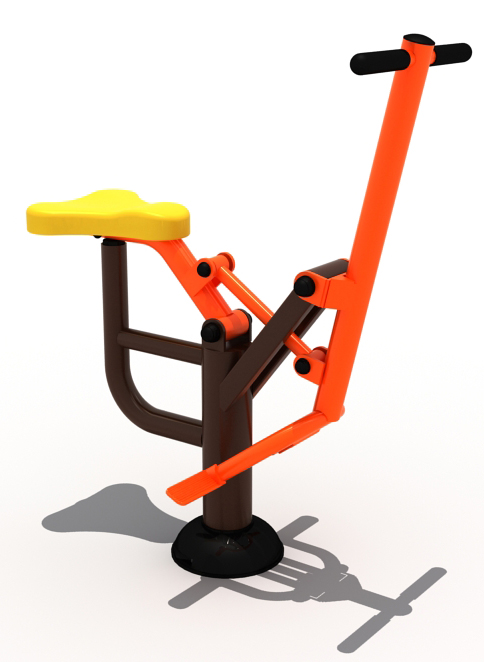
Public fitness equipment faces a very different reality than anything found in a private gym. Park Fitness Equipment is used by dozens of different people every day, often without any staff supervision, in every kind of weather. This means the engineering standard has to be considerably higher than typical consumer fitness equipment. Kidzarch builds every station using thick-gauge, properly welded GI or MS pipe frames, finished with sandblasting and powder coating to resist rust, alongside sealed, outdoor-rated bearings at every moving joint, since these pivot points are what typically fail first under constant public use.
Building for the Whole Community, Not Just the Fittest Visitors
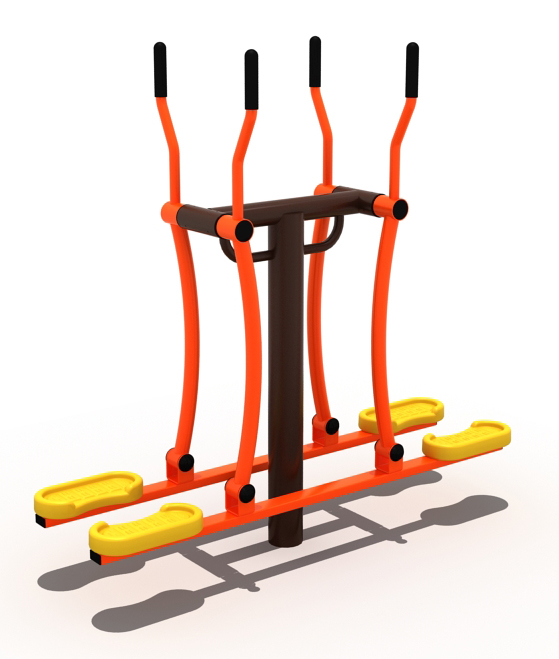
One of the most overlooked aspects of park fitness planning is designing for genuinely mixed-age use. Community Gym Equipment installed without any thought to age or fitness-level segmentation often ends up dominated by the most confident, athletic users, while older residents or beginners feel the equipment simply is not built for them. A thoughtfully planned fitness zone separates higher-intensity stations from gentler ones, so a teenager working hard on a cross-trainer and a grandparent using a lighter resistance station can both use the same park comfortably, without either feeling out of place.
Senior Citizen Park Gym Equipment: A Growing Priority
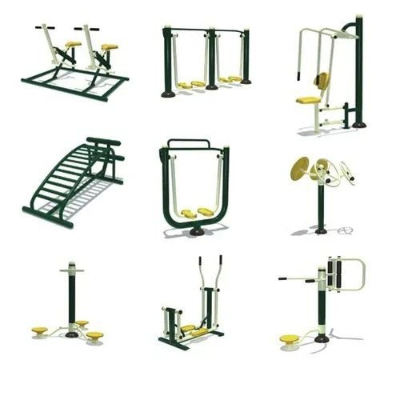
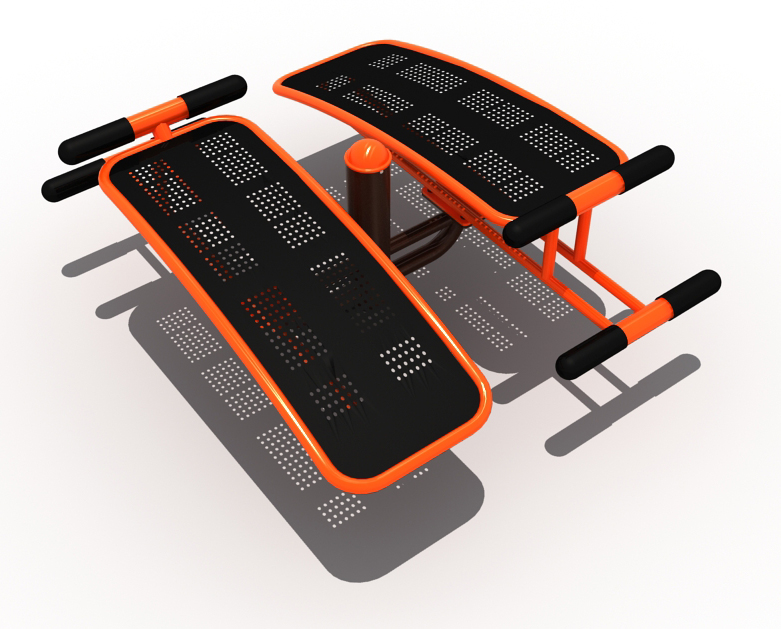
As India's population ages, demand for fitness infrastructure genuinely suited to older adults has grown significantly. Senior Citizen Park Gym Equipment looks quite different from standard fitness stations, favouring stable, wide-based designs, lower resistance levels, and movements that support joint mobility and gentle strength maintenance rather than high-intensity training. Kidzarch's senior-focused range includes leg presses, waist twisters, and walkers specifically calibrated for older users, positioned separately from higher-intensity zones to reduce the chance of interference between very different user groups sharing the same park.
What Good Park Exercise Equipment Actually Requires
Because outdoor fitness stations rely on body weight and mechanical resistance rather than motors or stacked weights, getting the resistance calibration right is a genuine engineering exercise. Park Exercise Equipment that is too easy feels pointless, while equipment that is too demanding can strain joints, particularly for beginners or older users who make up a large share of park-based fitness visitors. Kidzarch tests and adjusts resistance mechanisms, whether through spring tension, hydraulic dampers, or simple leverage, specifically to suit a broad range of body types and fitness levels rather than assuming a single setting works for everyone.
Choosing the Right Equipment for an Open Air Gym Layout
A genuinely effective Open Air Gym Equipment layout is about more than picking a handful of popular stations. Good planning considers the natural flow between stations, ensuring users are not crowded together at peak times, provides enough shaded seating nearby for rest between exercises, and leaves clear sightlines so the area feels safe and socially comfortable, particularly for women and older users who may otherwise be hesitant to use a public fitness space. Equipment selection should also reflect what a specific community actually wants, rather than defaulting to the same standard set of stations at every location.
What to Expect from a Genuine Park Gym Equipment Manufacturer
Working with an experienced Park Gym Equipment Manufacturer rather than a generic fabricator makes a meaningful difference in how equipment performs over time. A manufacturer who understands public fitness specifically should be able to speak knowledgeably about bearing quality, resistance calibration, and age-appropriate design, not just steel thickness and paint colour. Kidzarch approaches every park fitness project with this level of specificity, since these details, more than visual design, determine whether equipment is still functioning smoothly after two or three years of continuous public use.
Maintenance: The Part Most Projects Forget to Plan For
Even the best-built outdoor fitness equipment needs routine maintenance to keep performing safely, something that is often overlooked once installation is complete. Bearings need periodic lubrication, joints need rust inspection, and fastenings need occasional tightening, particularly in the first year as equipment settles under regular use. Municipal bodies and residential societies planning a fitness zone should budget for this ongoing care from the start, rather than treating it as an afterthought once equipment begins showing signs of wear.
Building a Fitness Zone Your Community Will Actually Use
The difference between a fitness corner that sits mostly empty and one that becomes a genuine daily habit for hundreds of residents usually comes down to thoughtful planning rather than equipment alone. Considering who will use the space, calibrating resistance and station types accordingly, and building with materials genuinely suited to constant outdoor use are what separate a fitness zone people return to every morning from one that looks good in a brochure but sees little real use. Kidzarch is ready to help plan and build a park gym equipment installation designed around exactly this kind of everyday, community-wide use.
Frequently Asked Questions (FAQ)
1. Why has Park Gym Equipment become so popular in Indian communities? Free, no-membership access combined with rising health awareness and government-backed fitness initiatives has made open air gym stations an accessible entry point into regular exercise for a wide range of people.
2. How is Outdoor Gym Equipment for Parks engineered differently from indoor gym equipment? Outdoor equipment relies on body-weight resistance and mechanical leverage rather than motors or weight stacks, and uses sealed, weather-resistant bearings and rust-resistant frames to withstand constant public and outdoor use.
3. What makes Senior Citizen Park Gym Equipment different from standard stations? Senior-focused equipment uses stable, wide bases and lower, gentler resistance levels designed to support mobility and light strength maintenance rather than high-intensity training.
4. How is resistance calibrated on Park Exercise Equipment without electricity? Resistance is typically created through body-weight leverage, spring tension, or hydraulic dampers, calibrated to suit a broad range of fitness levels and body types.
5. What should be considered when planning an Open Air Gym Equipment layout? Good layouts consider station flow, shaded rest areas, clear sightlines for safety and comfort, and equipment selection suited to the specific community using the space.
6. How often does Park Gym Equipment need maintenance? Bearing lubrication, rust inspection, and fastening checks are generally recommended every three to six months, with more frequent attention during the first year of use.